















 2026-01-30
What Is Thermal Runaway in UPS Lithium Batteries
Thermal runaway is a chain reaction in which the temperature of a lithium battery cell rises uncontrollably. Once a certain threshold is exceeded, internal chemical reactions accelerate, generating more heat than can be dissipated. This can lead to rapid temperature increase, gas release, fire, or even explosion.
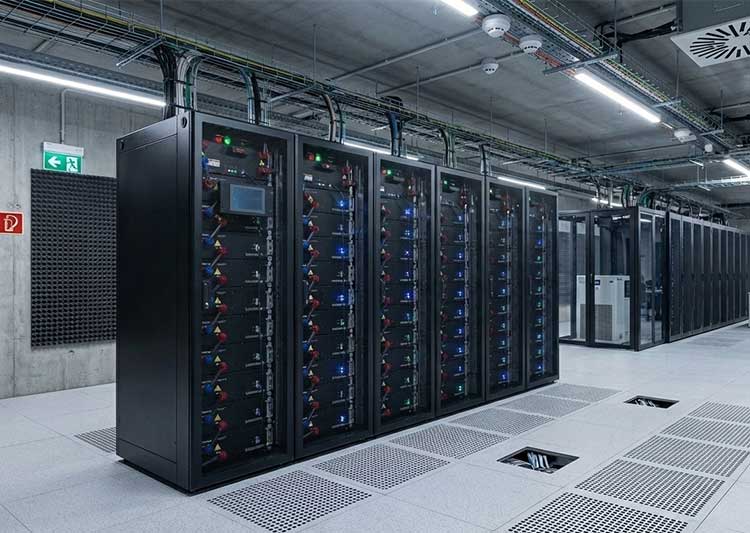
In a UPS system, where batteries are installed in large numbers and operate in close proximity, thermal runaway in a single cell can quickly propagate to neighboring cells and modules if not properly contained.
Why High-Density AIDC Environments Increase Thermal Runaway Risk
Compared with traditional data centers, AIDC UPS systems face several conditions that significantly raise thermal risk:
1. Ultra-High Power Density
AI servers and accelerators concentrate massive computing power in each rack. This results in much higher ambient temperatures around the UPS battery cabinets. Limited space and high heat flux make it more difficult to remove heat efficiently, increasing the likelihood of localized overheating.
2. High-Rate Charge and Discharge
AIDC workloads cause frequent and rapid load changes. UPS lithium batteries must switch quickly between float charging and high-rate discharge. High current generates internal heat, and repeated stress accelerates cell aging, which further reduces thermal stability.
3. Long-Term Float Operation
UPS batteries in AIDC typically remain on float charge for long periods, waiting for power events. Over time, this can lead to internal degradation, increased internal resistance, and higher heat generation during discharge, all of which increase thermal runaway probability.
4. Reduced Safety Margin
With compact layouts and high utilization, AIDC systems often operate closer to their thermal and electrical design limits. The available safety margin is smaller, leaving less buffer to absorb abnormal temperature rise.
Potential Impact of Thermal Runaway in AIDC UPS Systems
If thermal runaway occurs in an AIDC UPS lithium battery system, the consequences can be severe:
● Power interruption: The UPS may shut down or be isolated, causing loss of backup power and possible IT load outage.
● Fire and safety hazards: Thermal runaway can trigger fire, smoke, and toxic gas release, threatening personnel and equipment.
● Cascading failure: Heat propagation may spread from one cell to modules and entire battery strings.
● Business continuity risk: AI training and inference services may be interrupted, resulting in data loss, service downtime, and financial impact.
Key Strategies to Mitigate Thermal Runaway Risks
To ensure safe operation in high-density AIDC environments, UPS lithium battery systems must adopt multi-level thermal and safety protection:
1. Advanced Thermal Management
Efficient cooling design, optimized airflow, and precise temperature control at cabinet and rack level help keep battery cells within safe operating ranges and prevent local hot spots.
2. Intrinsically Safe Cell Chemistry
Lithium iron phosphate (LFP) cells offer better thermal stability and lower risk of runaway compared with some other lithium chemistries, making them more suitable for high-density UPS applications.
3. Intelligent Battery Management System (BMS)
Real-time monitoring of temperature, voltage, and current at cell and module level allows early detection of abnormal conditions and rapid isolation before a fault escalates.
4. System-Level Protection and Isolation
Fast-acting protection devices, fire suppression systems, and physical thermal barriers help prevent the spread of heat and contain incidents within a limited area.
5. Full-Link Safety Design
From cell selection and mechanical structure to system integration and operation, a full-link safety strategy ensures that risks are controlled at every stage of the UPS lithium battery life cycle.
To address safety challenges, Vision Battery designed the full-link safety solution for high-density and high-dynamic environments, featuring 4L (Cell–Module–Cabinet–System) hierarchical intelligent safety architecture for full-link protection.
Conclusion
In high-density AIDC environments, thermal runaway is one of the most critical safety challenges for UPS lithium battery systems. Ultra-high power density, frequent high-rate discharge, long-term float operation, and limited safety margin all contribute to increased thermal stress and higher risk.
To support reliable AI computing and protect critical infrastructure, AIDC operators must adopt advanced thermal management, intrinsically safe battery chemistry, intelligent monitoring, and multi-level protection. Only through a system-level, full-link safety approach can thermal runaway risks be effectively controlled and long-term UPS battery reliability be ensured.
 Name
Name Tel
Tel Email
Email Country
 Company
 Information