













 2026-01-28
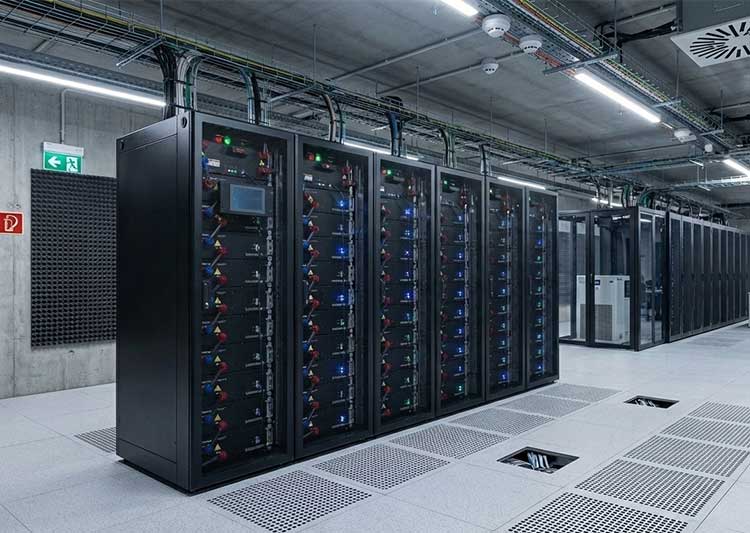
As AI computing workloads continue to grow, AIDC (AI Computing Centers) place higher demands on UPS lithium batteries than traditional data centers. Ensuring UPS battery safety and reliability is critical to avoid downtime and protect sensitive computing operations. Unlike conventional setups, AIDC environments operate at much higher power densities, handle rapid load fluctuations, and require continuous, high-intensity computation. These unique characteristics make it essential to understand the specific requirements for UPS lithium batteries in AI-focused facilities.
Key Differences Between AIDC and Traditional Data Centers
AIDC environments differ significantly from conventional data centers, which has direct implications for UPS battery design and operation. The main differences include:
|
Aspect |
Traditional Data Center |
AIDC |
|
Power Density |
Moderate |
Extremely high (50kW–750kW per cabinet) |
|
Load Fluctuation |
Predictable |
Frequent and sudden high-rate load changes |
|
Operation Pattern |
Long float operation, occasional peaks |
Continuous heavy computation, rapid ramp-up/down |
|
Thermal Stress |
Manageable |
High heat generation requiring advanced thermal management |
|
Safety Margin |
Standard |
Minimal margin; full-link battery safety essential |
In traditional data centers, UPS lithium batteries mostly deal with predictable loads and moderate thermal stress. In contrast, AIDC workloads generate intense, high-frequency computational peaks, which place significant strain on battery cells and the overall UPS system.
Why These Differences Matter for UPS Lithium Batteries
These differences are not only operational. They have a direct impact on the safety, reliability, and service life of a UPS lithium battery in AIDC environments.
1. High power density means much more heat is generated inside each cabinet. This creates higher thermal stress on lithium cells and increases the risk of accelerated aging or thermal issues if cooling and protection are insufficient.
2. Frequent load fluctuations require the UPS battery to switch rapidly between float charging and high-rate discharge. Such sudden current changes can cause voltage instability and, in extreme cases, thermal runaway without proper control and protection.
3. Continuous high-intensity operation places the battery in long-term float conditions while repeatedly demanding fast, high-power output. This combination significantly speeds up cell degradation compared with traditional data center usage.
4. High sensitivity of AI workloads further raises the bar. Even a millisecond-level power interruption can affect AI model training or real-time inference, making the reliability of the UPS lithium battery a critical part of overall system stability.
Because of these factors, conventional UPS battery management approaches used in traditional data centers are no longer sufficient for AIDC. Advanced thermal management, multi-level protection, and a full-link safety design—from cell to system level—are essential to ensure safe, stable, and uninterrupted operation.
Practical UPS Lithium Battery Safety Solutions for AIDC
To meet the stringent demands of AIDC environments, UPS lithium batteries must be protected through a multi-level safety and reliability design covering the entire system:
1. Cell Level: High-quality lithium iron phosphate cells are required, combined with strong thermal and mechanical protection to ensure intrinsic safety and stable performance.
2. Module & Pack Level: Intelligent Battery Management Systems (BMS), overcurrent and short-circuit protection, and real-time cell monitoring help prevent abnormal conditions and ensure balanced operation.
3. System Level: Fast-switching relays, continuous health monitoring, and predictive maintenance functions enable rapid response to power events and early detection of potential risks.
4. Operation & Maintenance: Prefabricated cabinet installation, easy-access maintenance design, and full-life-cycle battery management support safe operation and long-term reliability under extreme computing loads.
By implementing a full-link battery safety strategy—from cell materials and structural design to system integration and operation—AIDC operators can effectively mitigate the risks of high-density computing and ensure the long-term safety and stability of critical UPS power systems.
Conclusion
AI computing centers are rapidly evolving, and their unique operational demands require UPS lithium batteries that are safer, more reliable, and better managed than those used in traditional data centers. Understanding the specific differences and implementing multi-level protection strategies ensures that UPS batteries can handle high-density, high-intensity workloads while maintaining safety and extending lifespan.
For organizations operating in AIDC environments, investing in advanced UPS battery protection systems is not optional—it is essential to support continuous, reliable computing operations.
 Name
Name Tel
Tel Email
Email Country
 Company
 Information