














 2026-01-12
Modern data centers and Artificial Intelligence Data Centers (AIDC) demand uninterrupted power, high reliability, and operational safety. UPS lithium batteries are central to these systems, providing critical backup power during grid outages. However, as power density increases in high-density racks and containerized UPS systems, traditional monolithic battery designs can present significant safety risks, including thermal stress, electrical faults, and potential fire hazards.
Modular UPS designs offer a system-level approach to safety, enabling fault isolation, improved thermal management, and advanced monitoring. These features help ensure that UPS lithium batteries operate safely even under high-demand conditions, protecting both critical IT loads and personnel.
What is a Modular UPS Design?
A modular UPS system is composed of multiple independent battery and power modules that can be added, replaced, or serviced without shutting down the entire UPS system. Each module is physically separated and electrically independent, while still being integrated at the system level.
The modular approach provides several advantages:
● Scalability: Operators can expand capacity incrementally.
● Redundancy: The modular architecture supports N+1 and 2N configurations, ensuring continuous operation even in the event of a single module or system failure.
● System-level safety: Failures in a single module are contained without affecting the entire system.
For data centers and AIDC facilities, modular UPS systems ensure that UPS lithium battery safety is maintained even as operational demands grow.
Safety Advantages of Modular UPS Designs
1. Fault Isolation and Containment
One of the most significant safety benefits of modular UPS systems is fault isolation. In traditional monolithic UPS batteries, a failure in one cell or module can propagate quickly, increasing the risk of thermal runaway or fire.
Modular UPS designs physically separate each battery module and electrically isolate faults. If a single module experiences overheating, overcurrent, or internal short circuits, the problem can be confined to that module, preventing system-wide hazards. This containment reduces fire risk and ensures that critical loads remain powered.
2. Enhanced Thermal Management
High-density UPS installations, particularly in data centers, generate substantial heat. Modular UPS systems mitigate thermal stress by distributing cells across smaller, separated modules.
Key advantages include:
● Better airflow and heat dissipation around each module
● Localized temperature monitoring for early detection of abnormal heating
● Reduced likelihood of thermal hotspots compared to large monolithic battery banks
By improving thermal management, modular designs minimize degradation and enhance the overall safety of UPS lithium batteries.
3. Redundancy and Continuous Operation
Redundancy is a core component of data center UPS safety. Modular UPS systems enable N+1 or 2N redundancy, meaning that even if one module fails, the remaining modules continue to provide full power.
Additional benefits:
● Faulty modules can be replaced or repaired without shutting down the system
● Continuous operation ensures critical IT loads remain protected
● Reduces the risk of cascading failures in high-density environments
This redundancy is particularly important for AIDC facilities, where any downtime can result in significant operational and financial impact.
4. Advanced Monitoring and Predictive Maintenance
Modern modular UPS systems integrate with Battery Management Systems (BMS) to provide real-time monitoring of voltage, current, temperature, and overall module health. Predictive analytics can detect anomalies before they develop into critical safety events.
Benefits include:
● Early warning of potential thermal or electrical failures
● Proactive intervention to prevent fires or system shutdowns
● Remote monitoring and diagnostics, critical for outdoor or unmanned data center UPS installations
Vision Battery's UPS lithium battery modules incorporate independent cell blocks and integrated BMS, enabling localized temperature monitoring at both cell and module levels. This reduces thermal stress compared to large, monolithic battery banks, enhancing overall UPS battery safety.
Applications in Data Centers and AIDC Facilities
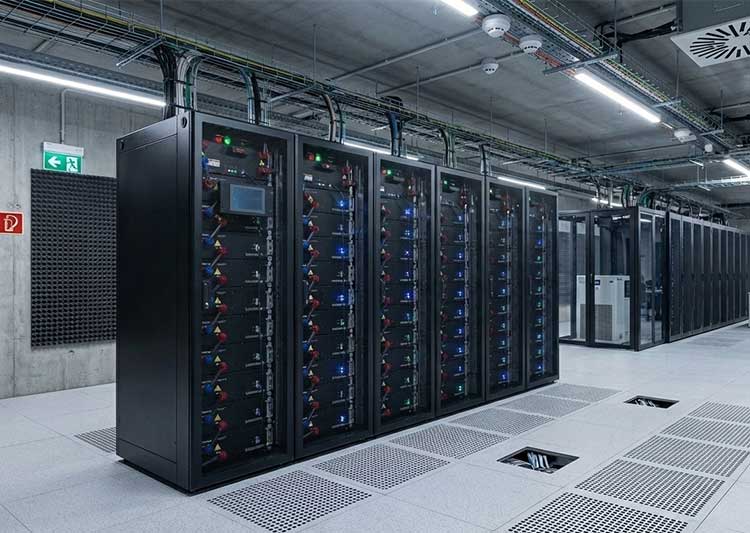
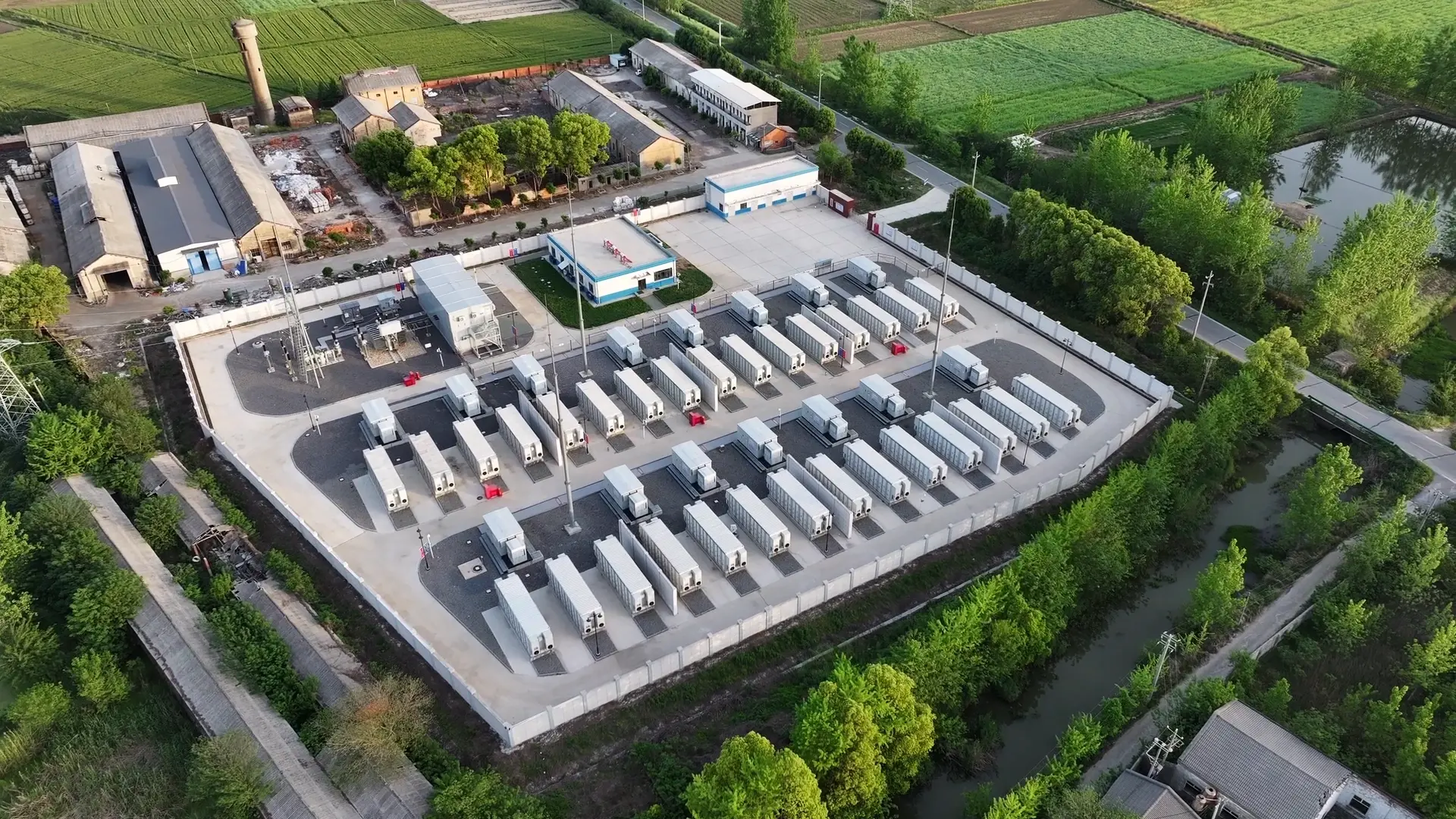
High-density racks, containerized outdoor UPS systems, and mission-critical AIDC environments particularly benefit from modular UPS architecture. Vision’s UPS lithium battery system is built on a modular architecture, in which each battery module integrates cell-level protection, dedicated thermal management, and an independent BMS. This design enables fault isolation, flexible redundancy configuration, and scalable expansion while maintaining high safety margins for AIDC and high-density UPS applications.
● Scalable and safe deployment: Modules can be added as power demand grows
● Efficient space utilization: Smaller modules fit into tight racks while maintaining thermal safety
● System-level safety: Modular design combined with BMS and predictive monitoring enhances fire and electrical risk management
In these environments, modular UPS designs are essential for balancing performance, reliability, and battery safety.
Conclusion
Modular UPS designs provide a comprehensive approach to lithium battery safety in data centers and AIDC facilities. By enabling fault isolation, optimized thermal management, redundancy, and advanced monitoring, these systems reduce the risk of thermal runaway, electrical failures, and fire hazards while ensuring continuous operation.
For operators managing high-density or outdoor UPS systems, adopting a modular architecture is a critical step toward safer, more reliable, and scalable power infrastructure. Implementing modular UPS lithium batteries helps protect both critical IT assets and personnel, supporting the safety and reliability standards expected in modern data centers.
 Name
Name Tel
Tel Email
Email Country
 Company
 Information