














 2026-11-11
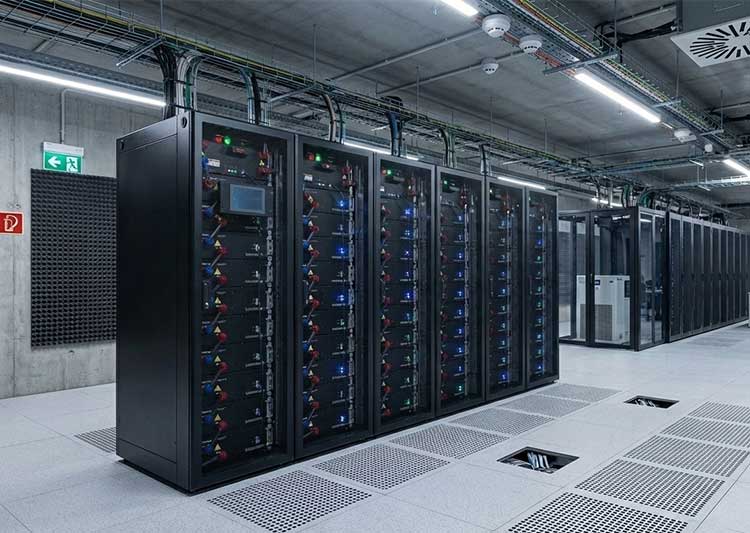
Vision Group's LiLic 800 V DC Hybrid Power Sidecar combines power smoothing and short-duration backup in a single cabinet, opening new possibilities for power support in AI data center white space. The product made its public debut at YOTTA 2026 in the United States, where its innovative technology and forward-looking design attracted customer interest, bringing Vision Group’s latest AI power solution to an international audience.

LiLic responds to the evolving power demands of rapidly advancing AI infrastructure. Rising rack power is driving the transition toward 800V DC architectures, while rapid fluctuations in training workloads are making dynamic power support closer to the compute load increasingly important. Delivering high power, fast response, and system integration within limited data hall space has become a key engineering challenge. Vision addresses this challenge with LiLic, combining hybrid energy storage and an integrated design to bring megawatt-class power support alongside compute racks—and help power infrastructure keep pace with AI.
Multiple Capabilities. One Cabinet. Megawatt-Class Performance.
LiLic combines the high-frequency pulse characteristics of lithium-ion capacitors (LIC) with the short-duration backup capabilities of lithium iron phosphate (LFP). This hybrid approach brings rapid power response and short-duration energy support into a unified architecture, addressing AI workload demands across different timescales.

LiLic delivers 1 MW of rated discharge power and at least 60 seconds of backup at a 1 MW load. Its megawatt-class capability supports high-density AI workloads through dynamic power changes and brief supply interruptions, giving 800V DC infrastructure an integrated option for both power smoothing and backup.
Closer to Compute: Supporting New Builds and Infrastructure Upgrades
From large-scale AI data centers to hyperscale and GPU cloud infrastructure, LiLic brings integrated power smoothing and short-duration backup alongside compute racks, supporting the demands of high-density AI workloads.
- Native 800 V DC and next-generation SST architectures: Supporting new AI infrastructure.
In native 800 V DC facilities, LiLic connects directly to the DC bus and is deployed in the data center white space. It also targets energy-support requirements in next-generation 800 V DC architectures incorporating solid-state transformers (SSTs).
- 800 V DC white-space retrofits: Enabling higher-density compute in existing facilities.
For white-space areas transitioning to direct 800 V DC distribution, LiLic can be integrated according to the project’s bus architecture, protection coordination, and cooling provisions, bringing load-side power support into existing infrastructure as compute requirements evolve.
- AI training and supply disturbances: Addressing operational challenges across timescales.
LiLic is designed to support lower-frequency power fluctuations associated with large-model training, as well as microsecond-scale, high-frequency transients associated with GPU cores and voltage regulator module (VRM) switching. During upstream supply disturbances or brief interruptions, it provides short-duration backup, addressing power-support needs during both normal operation and abnormal supply conditions.
System-Level Innovation for Integrated White-Space Power Support
Designed for next-generation 800 V DC architectures, LiLic connects directly to the relevant DC bus and is deployed alongside compute racks. As power density rises, white-space equipment must balance power capability, footprint, protection, and serviceability. LiLic brings power conversion, management, protection, and thermal management into a single design, aligning high-power performance with operational requirements.
This integration spans the system’s core technologies. Bidirectional silicon carbide (SiC) DC-DC conversion handles power conversion and regulation; the battery management system (BMS) manages and monitors operation; microsecond-class hardware e-Fuse protection provides electronic protection; and liquid cooling and hot-swappable modules address thermal and maintenance needs. Together, these capabilities form LiLic’s All-in-One architecture, translating hybrid energy storage technology into a complete power-support system.
Integration also creates a consolidated basis for equipment layout, electrical interfaces, and maintenance planning. Deployment is tailored to the project's DC bus architecture, protection coordination, and cooling provisions, connecting product innovation with practical engineering requirements.
LiLic Expands Vision Group's Comprehensive AIDC Power Portfolio
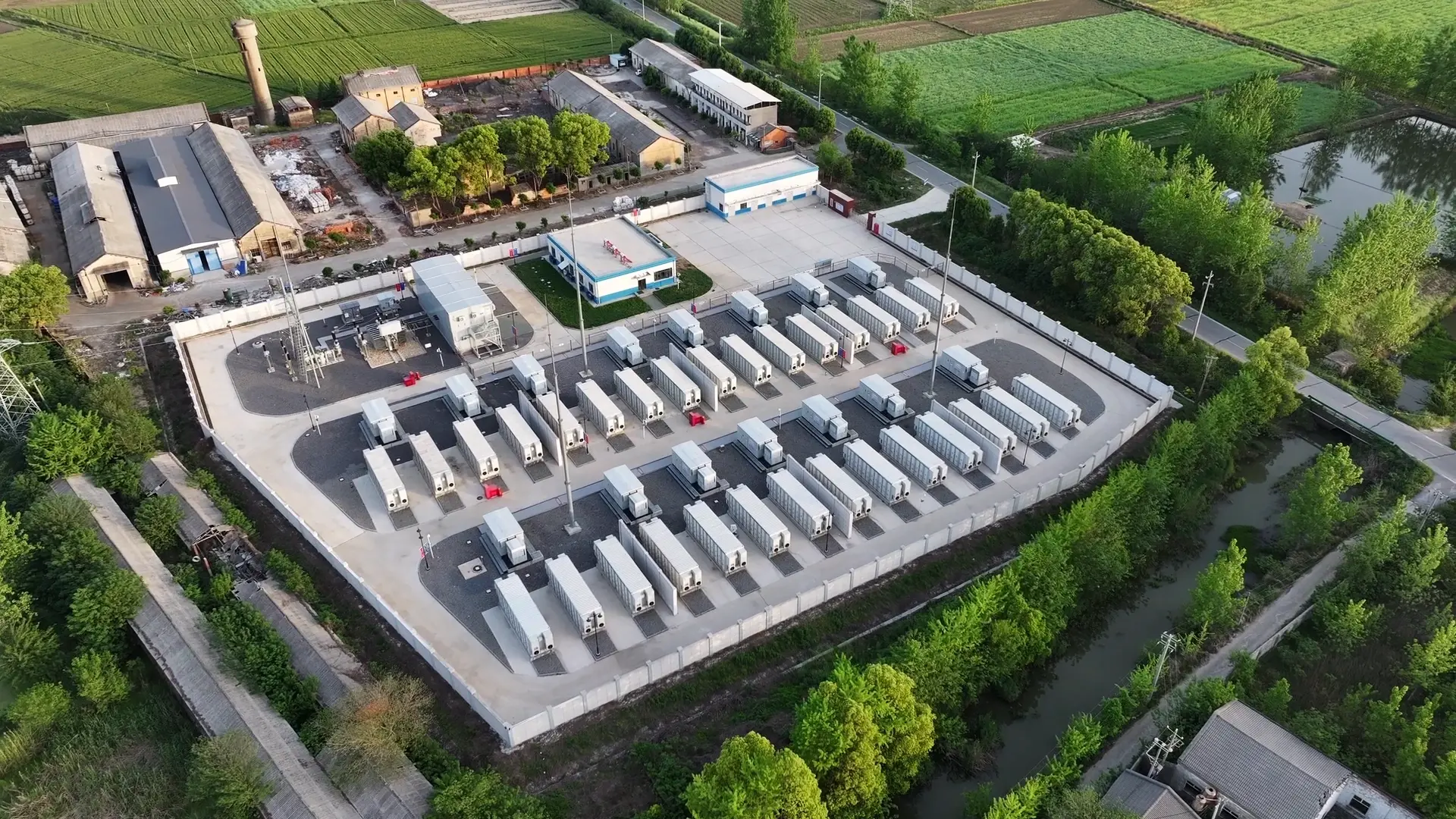
LiLic represents an important innovation for AI workloads and a further step in Vision Group’s expansion into data center white space. With LiLic, BBU, REVO 3.0 LFP backup power systems, HVDC systems, PTU prefabricated power modules, and 6.48 MWh containerized battery storage, Vision Group is expanding its power portfolio across black, gray, and white space—from campus to compute rack.Looking ahead, Vision Group aims to become a global leader in comprehensive AIDC power supply and backup solutions. Through continued technology innovation, product development, and broader application deployment, the company will work with customers and industry partners to build a strong power foundation for next-generation AI infrastructure.
 Name
 Tel
 Email
 Country
 Company
 Information
